Best Things to Do in Asakusa Near Sensoji Temple
Discover the best things to do in Asakusa near Sensoji Temple, from vintage rickshaw tours and kimono rentals to quirky …
Continue Reading →
Planning your Sensoji temple visit in Tokyo? Here is everything you need to know about Asakusa Sensoji, from sunrise rituals to evening lantern walks.
Discover what makes sensoji temple tokyo unforgettable.
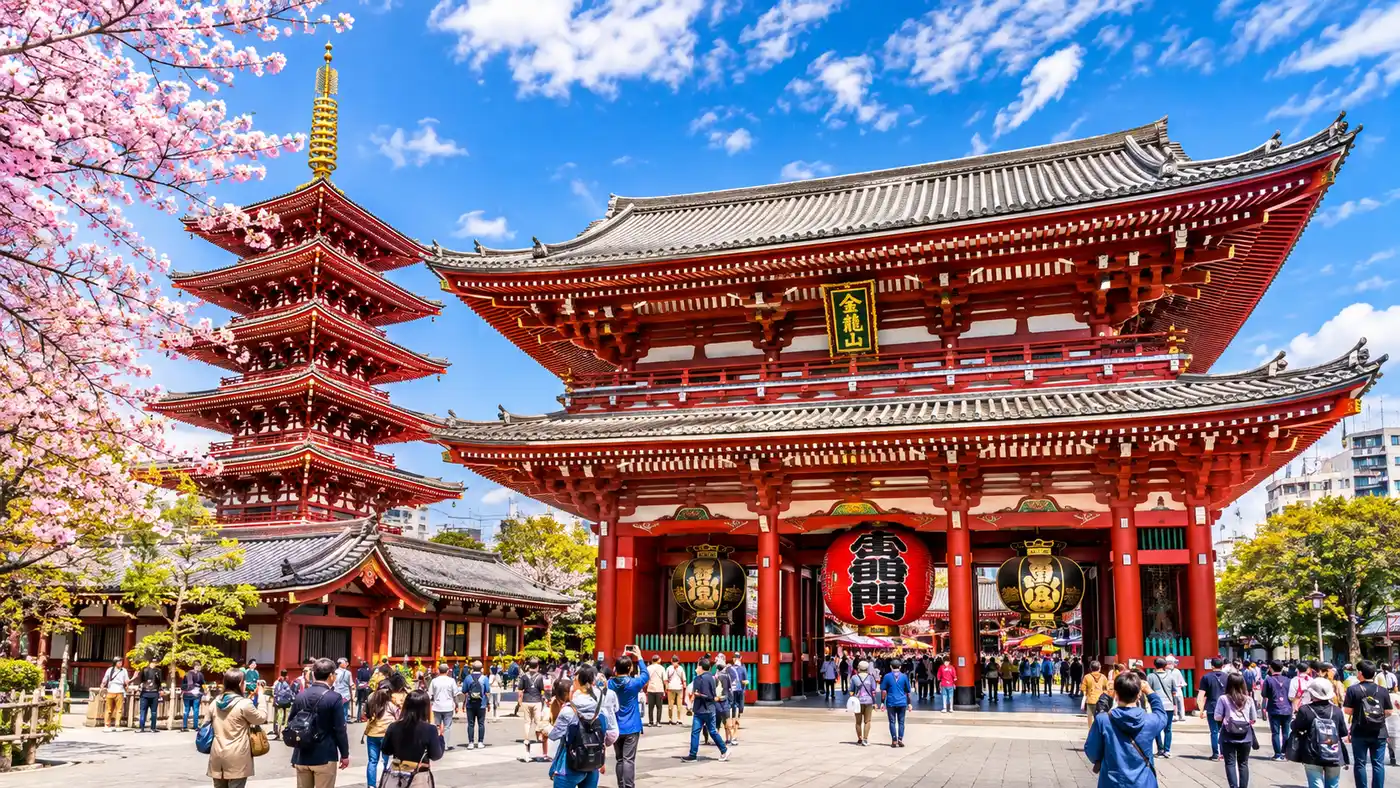
The outer courtyard never locks its gates, allowing you to walk quiet stone pathways at sunrise. You can photograph the pagoda and Kaminarimon without shoulder-to-shoulder crowds before temple stalls pull up their shutters at 9:00 AM.
Learn more →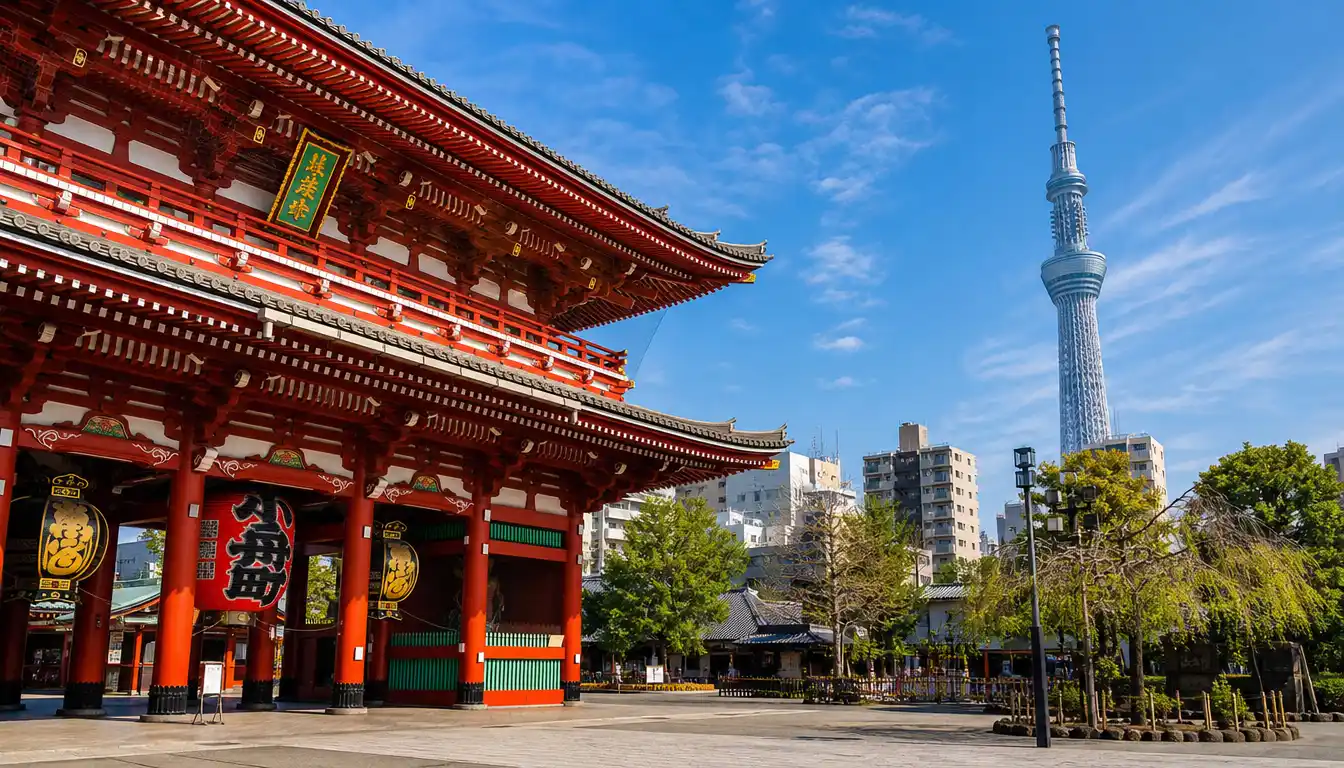
Asakusa Station links directly to the Ginza Subway Line, Asakusa Line, and Tobu Railway. Take Exit 1 or 3 and you will spot the red gates within a quick three-minute walk along the avenue.
Learn more →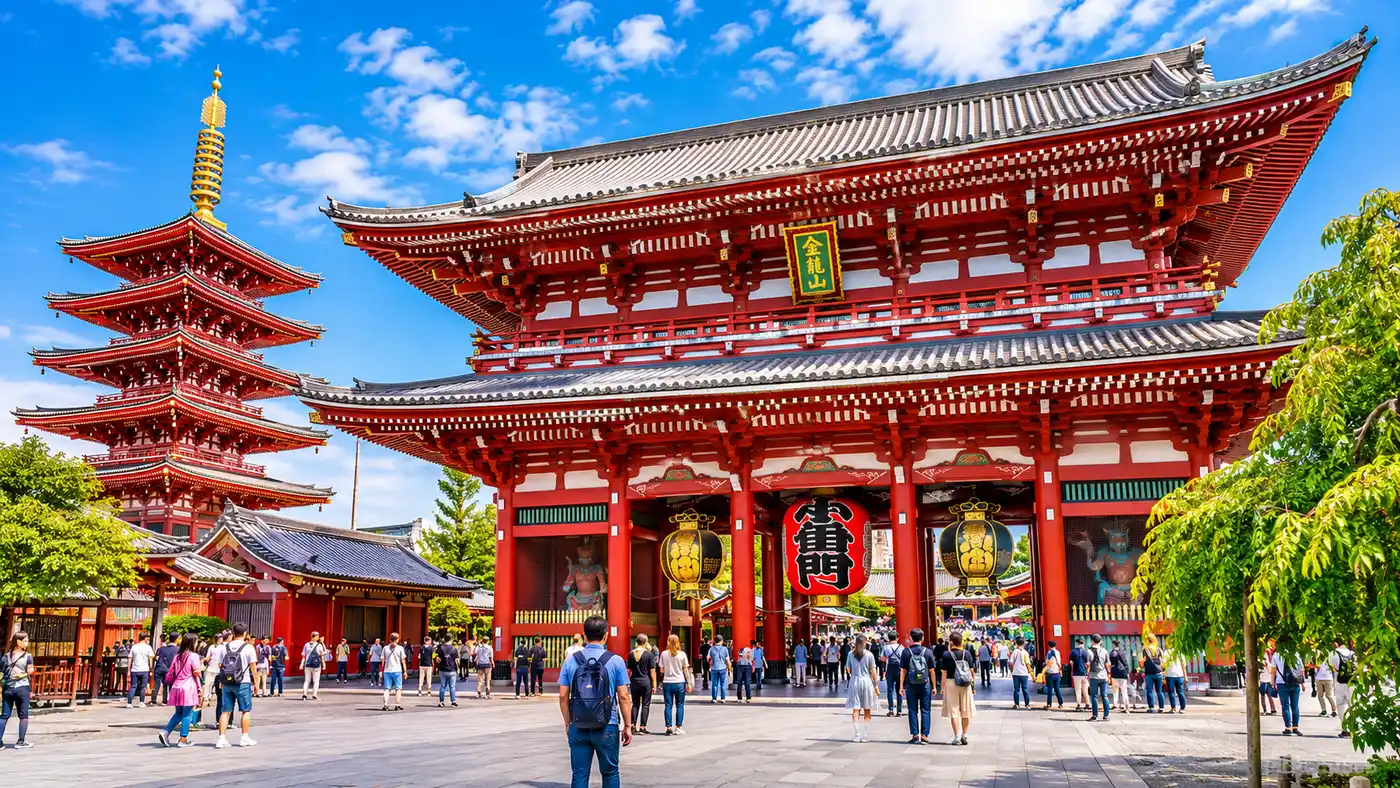
Sensoji survived clan wars, fires, and wartime bombings, rebuilding each time with community support. Observing worshippers wave incense smoke over their heads for good health connects you straight to Edo-era spiritual customs.
Learn more →
Turn off the main approach into Hoppy Dori or Nishi-sando to find retro food stalls and wooden theaters. Fresh dango, fried manju cakes, and slow-simmered beef tendon stew await around every street corner.
Learn more →What to expect from arrival to departure.
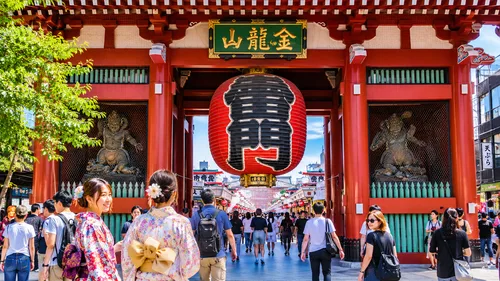
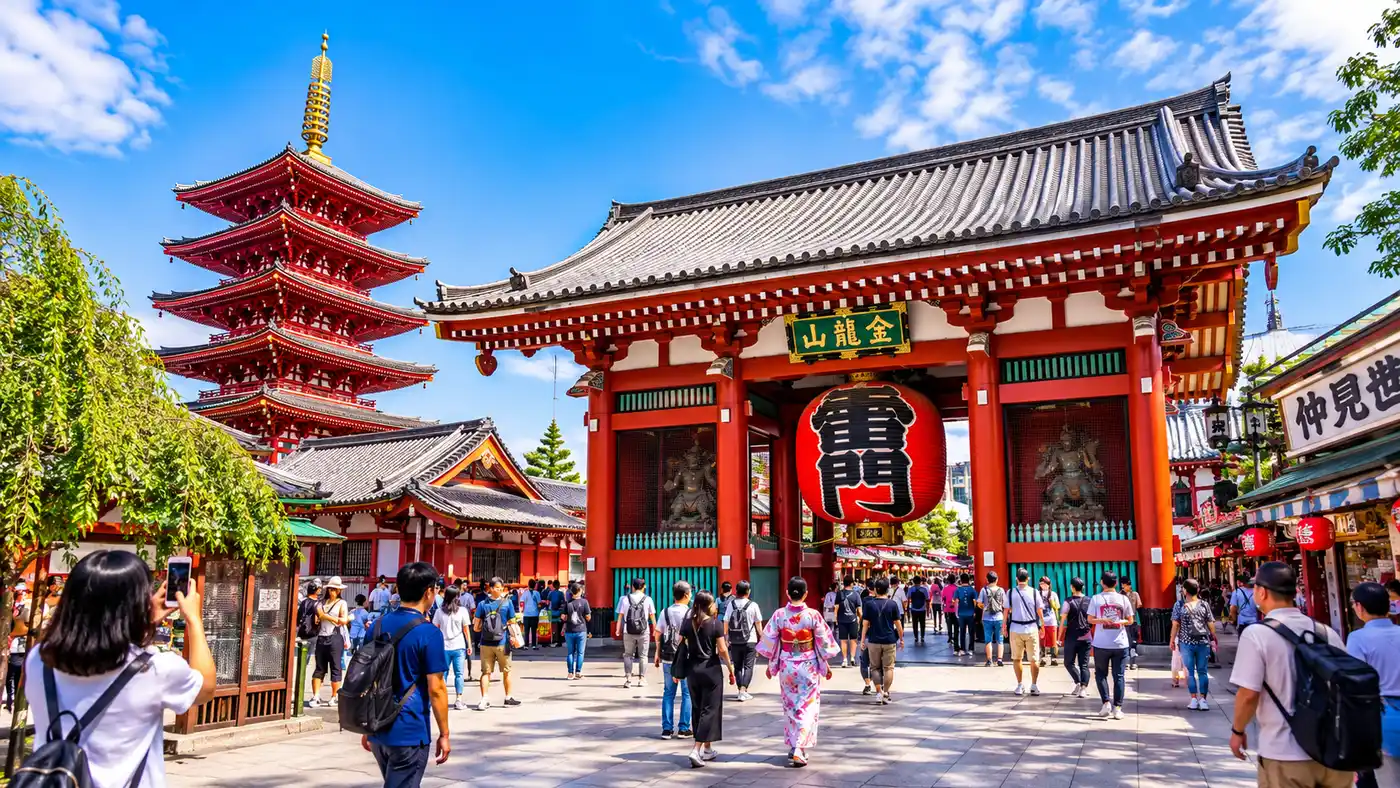
Enter beneath the massive red paper lantern flanked by Fujin, the wind god, and Raijin, the thunder god.
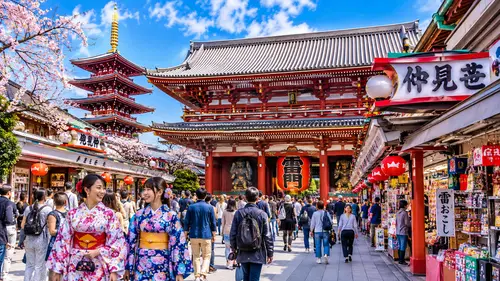
Walk the 250-meter path lined with historic stalls selling rice crackers, wooden crafts, and green tea snacks.
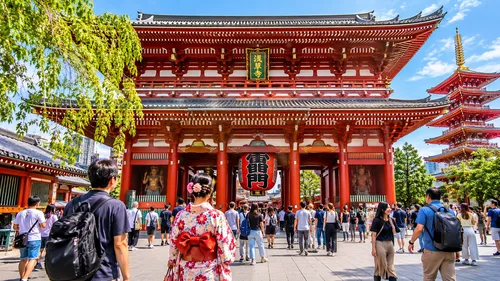
View the treasure gate housing sacred Buddhist sutras and giant straw waraji sandals hung to ward off demons.
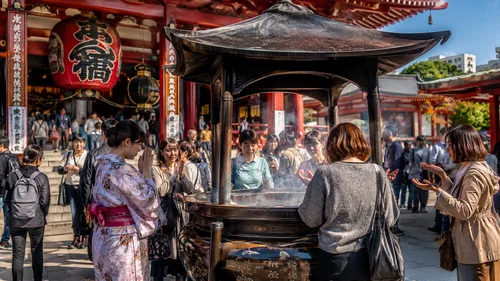
Rinse hands at the dragon water pavilion, then wave fragrant smoke from the Jokoro cauldron over your body.
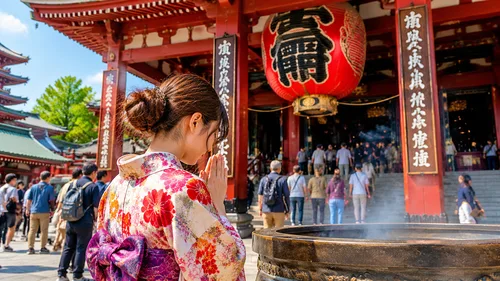
Toss a 5-yen coin into the donation box, bow your head, and take in the gold-trimmed ceiling paintings of dragons.
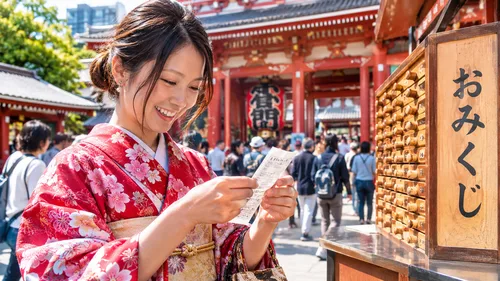
Drop 100 yen into the wooden box, shake a metal cylinder for a lucky number, and tie bad fortunes to wire racks.
Legend tells of two fishermen who hauled a tiny golden statue of Kannon out of the Sumida River in 628. Rather than selling it, their village headman recognized its holiness, converted his own home into a shrine, and created what is now the Asakusa Kannon Sensoji Temple. Step beneath the 700-kilogram red lantern at Kaminarimon Gate to experience the beating heart of old Tokyo, where aromatic incense smoke curls around temple pillars and neighborhood elders bow in prayer beside travelers from across the globe.
Walking through the grounds places you directly inside traditional Tokyo. Nakamise-dori features 89 small, family-run stalls along a 250-meter flagstone path, serving fresh sweet melonpan and piping hot ningyo-yaki sponge cakes shaped like five-story pagodas. Beyond the vendors sits the second grand gate, Hozomon, leading directly into the main precinct where coins rattle into wooden donation grates every few seconds.
Whether people refer to this sanctuary as Sensoji-ji Buddhist Temple or simply Asakusa Kannon Temple, it remains the standard for any Tokyo tourist temple visit. Arrive around dawn to catch the monk morning chants, or stop by long after the tour groups depart to see vermilion eaves glowing against the dark Asakusa sky.
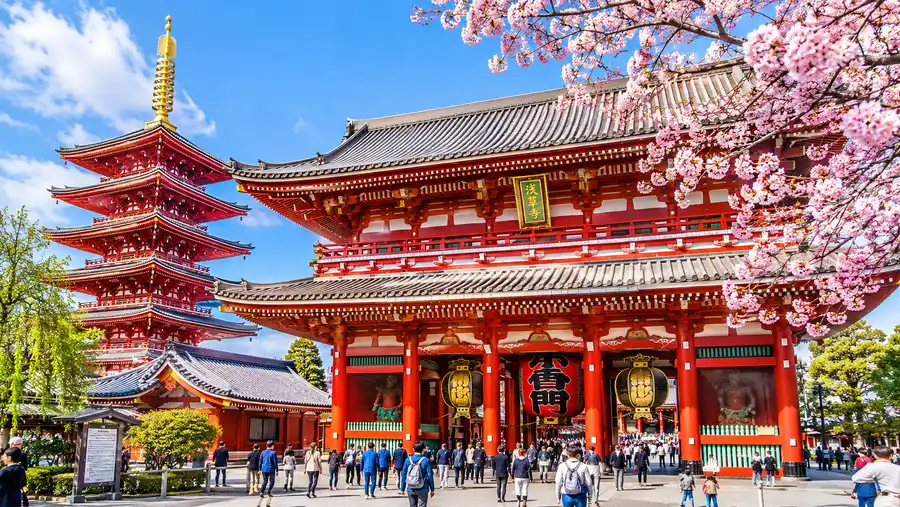
Woke up jet-lagged at 6:15 AM and walked over while the mist was still lifting. Having the five-story pagoda entirely to myself was magical.
The ningyo-yaki cakes filled with warm red bean paste on the walk up to the gate are worth the trip alone. Don't skip the side alleys.
Incredible architecture, though the afternoon crowd near Hozomon Gate was overwhelming. Definitely return after dinner when the lights switch on.
Pulled bad fortune number 42, tied it to the wire rack, and washed my hands at the dragon spout. The atmosphere is totally authentic.
Compare options and book directly below.
Full access to Kaminarimon, Nakamise-dori, temple gardens, the incense pavilion, and the Main Hall.
Covers a bundle of fragrant incense sticks for the central burner plus one omikuji paper fortune slip.
A 90-minute neighborhood walk led by a local guide detailing temple history, hidden side streets, and regional street foods.
Everything you need to know before visiting sensoji temple tokyo.
Hours: Temple grounds: open 24 hours daily. Main Hall (Hondo): 6:00 AM – 5:00 PM (April to September), 6:30 AM – 5:00 PM (October to March).
| General Grounds Entry (Open year-round) | Free |
| Fortune & Incense Offering (Self-service cash) | ¥200 |
| Guided Shitamachi Walking Tour (Book online in advance) | ¥3,800 |
📍 2-3-1 Asakusa, Taito-ku, Tokyo 111-0032, Japan
See it before you go.
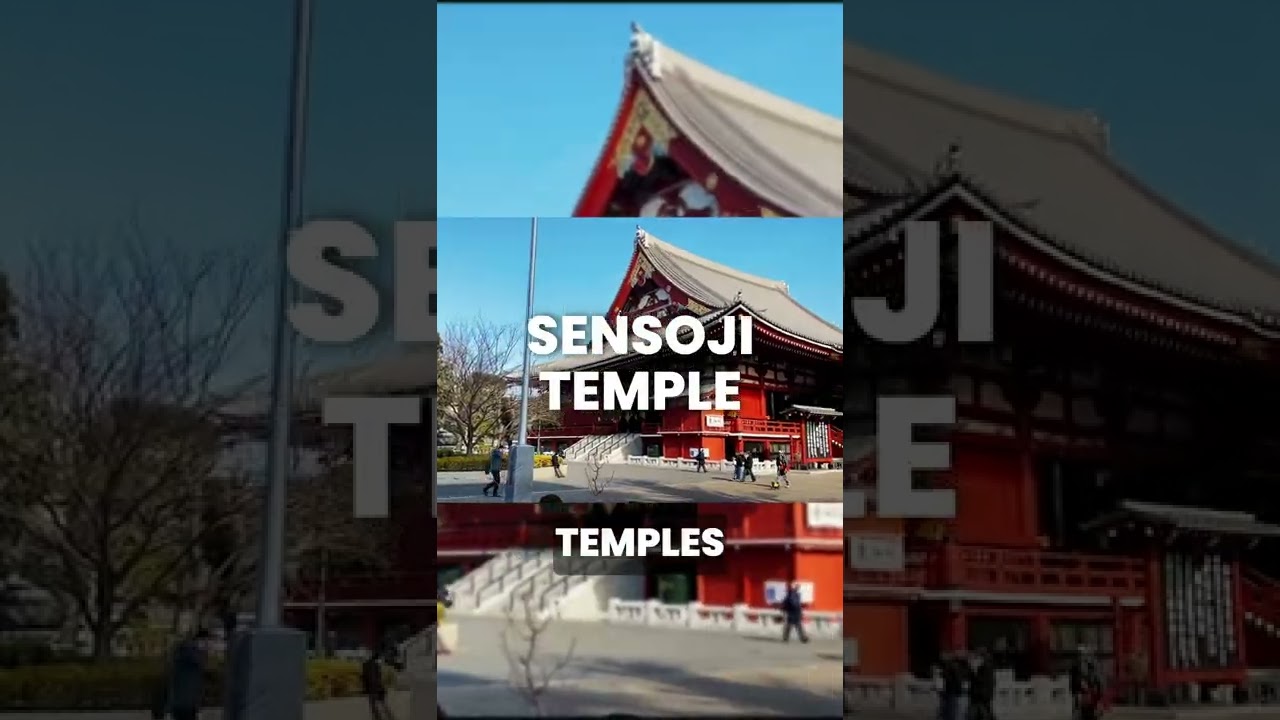
Worth combining with your sensoji temple tokyo visit.
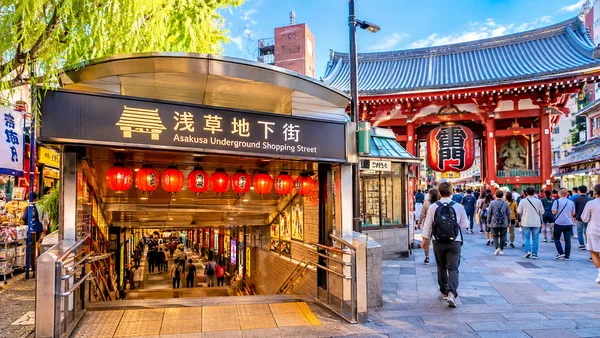
Japan's oldest underground shopping passage, filled with retro noodle counters and weathered izakaya bars.
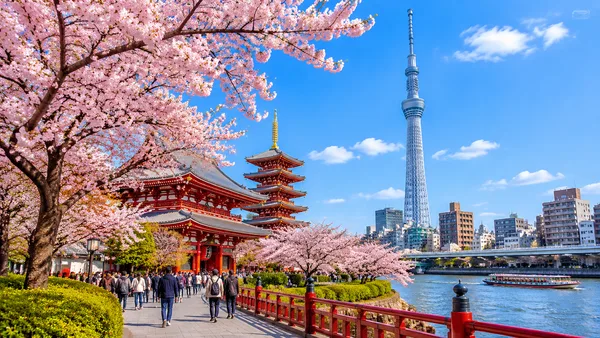
Riverside promenades with clear views of the Tokyo Skytree and cherry blossom paths along both banks.
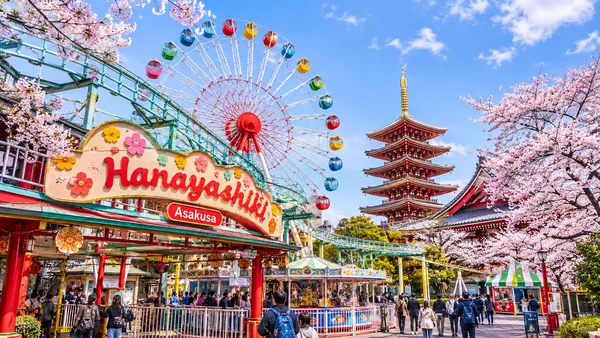
A charming neighborhood amusement park operating since 1853, complete with a rooftop garden and vintage roller coaster.
Sensoji Temple Tokyo welcomes all visitors with accessibility features and family-friendly amenities.
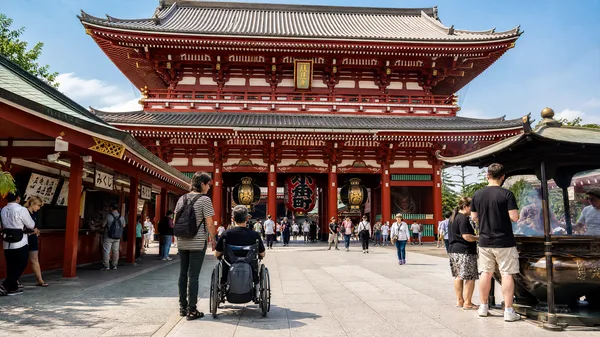
The precinct grounds and approach paths are flat and paved. While the front of the Main Hall has stairs, an elevator and ramp provide step-free access to the hall. Accessible multi-purpose restrooms equipped with grab bars are located on the temple grounds and at the adjacent Asakusa Culture Tourist Information Center.
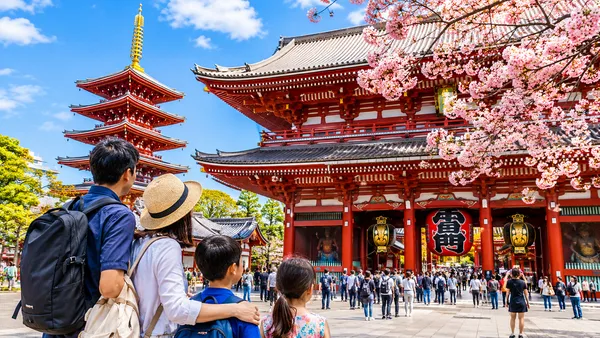
Stroller-friendly with flat, paved pathways throughout the grounds, though navigating can be challenging during peak afternoon crowds (early mornings or evenings are best). Free stroller rentals, diaper-changing facilities, and nursing rooms are available nearby at the Asakusa Culture Tourist Information Center opposite Kaminarimon Gate.
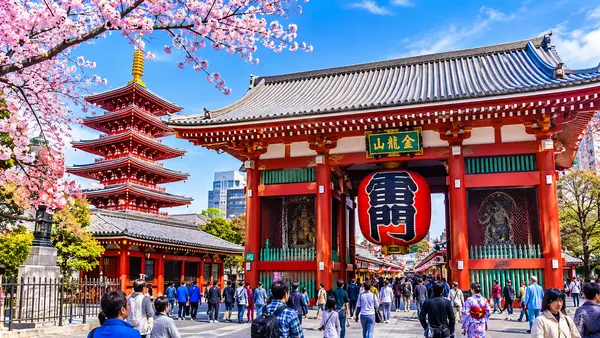
English signage explains cleansing rituals, historical gates, and fortune drawing. Omikuji fortune papers feature printed English poems alongside the original Japanese verses.
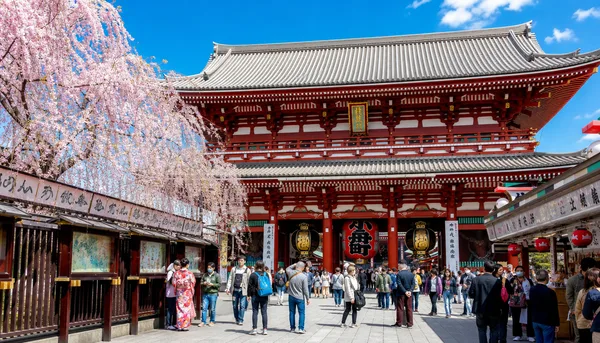
The route from Kaminarimon Gate through Nakamise-dori to the Hozomon Gate and Main Hall is completely paved and level. The Main Hall features steep front steps, but step-free circulation is facilitated by an elevator and side ramps. Asakusa Station has elevator access to street level within a short walk of the temple.
Dive deeper into sensoji temple tokyo.
Discover the best things to do in Asakusa near Sensoji Temple, from vintage rickshaw tours and kimono rentals to quirky …
Continue Reading →
Wondering how to get from Sensoji Temple to Tokyo Skytree? Compare walking routes, train options, buses, and taxis with …
Continue Reading →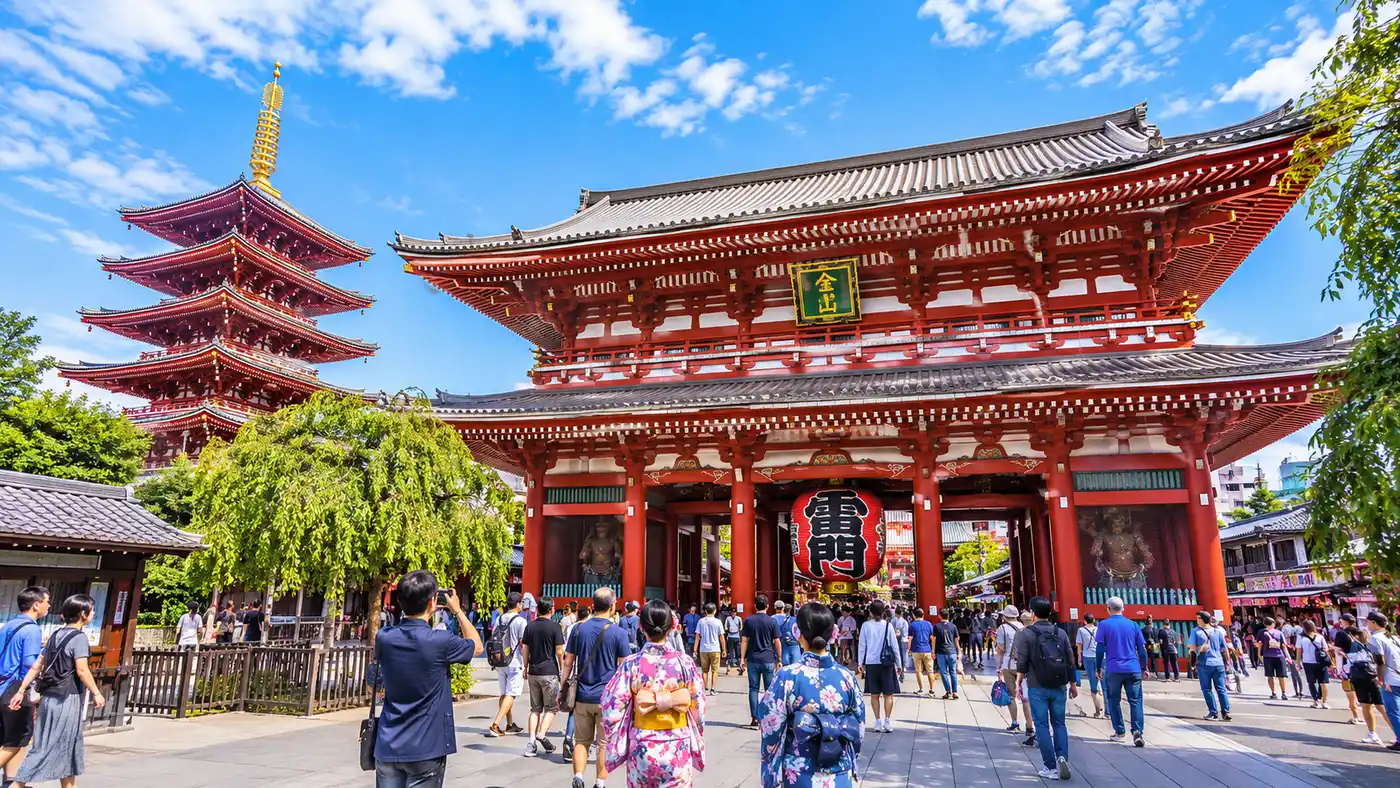
Learn how to get to Sensoji Temple Tokyo with our transit guide covering subway lines, station exits, maps, and routes …
Continue Reading →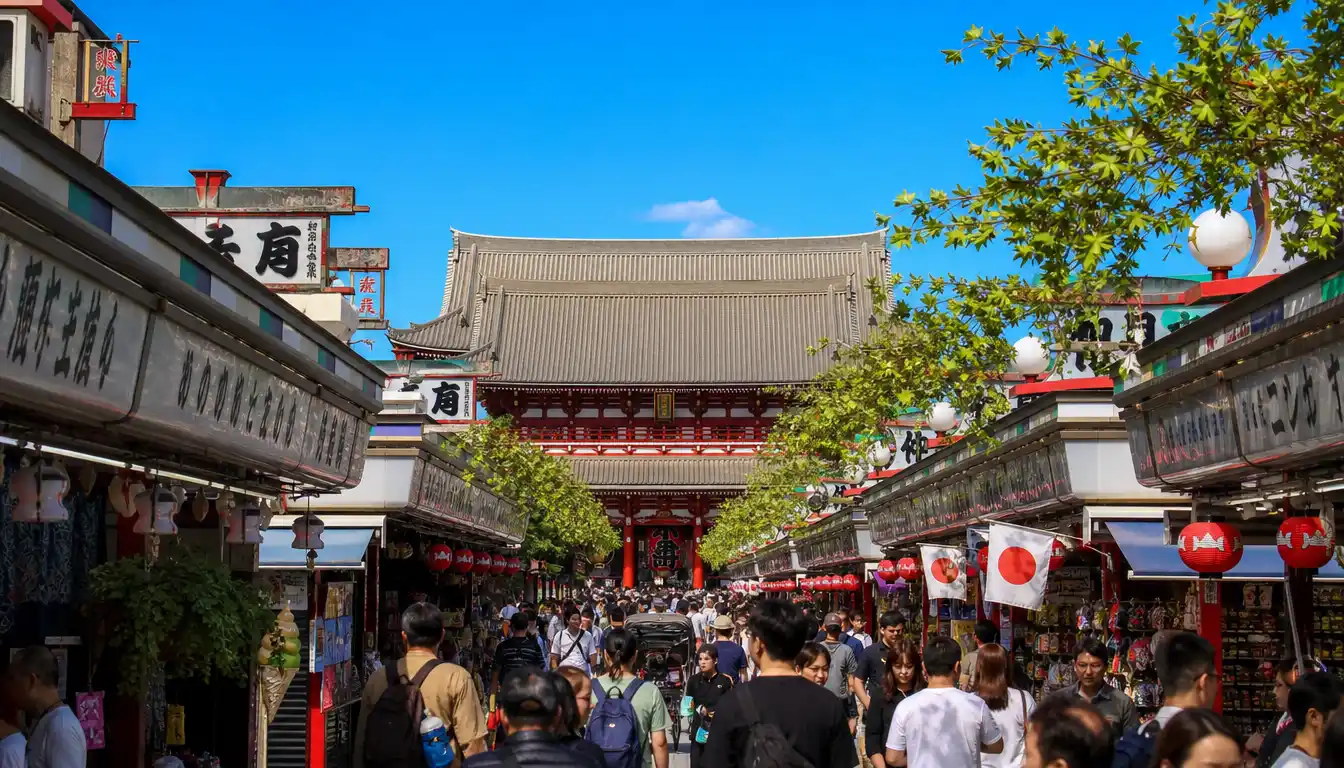
Explore Nakamise Street Asakusa with our complete guide to classic street food, shop opening hours, breakfast cafes near …
Continue Reading →
Discover Sensoji Temple Tokyo history, architecture, and facts. Explore the legend of the 628 AD founding, Kaminarimon …
Continue Reading →
Complete guide to Sensoji Temple Tokyo hours, opening times, and entrance fees. Discover when to visit, night lighting …
Continue Reading →Common questions about sensoji temple tokyo.
No ticket is required. Sensoji Temple is open to all visitors free of charge, 365 days a year. You only need small coins if you wish to buy incense, make an offering at the altar, or draw a fortune.
Plan for 45 to 75 minutes to explore the gates, wander the stalls along Nakamise-dori, and view the Main Hall. If you plan to sit down for lunch or walk the back alleys, set aside 2 hours.
Kimono rental shops like Aiwafuku sit within a 5-minute walk along the river, making it simple to dress up before walking through Nakamise. Street kart tours operate on public roads nearby as well, though motorized karts cannot drive onto pedestrian temple grounds.
Meiji Jingu is an imperial Shinto shrine nestled inside a dense, silent forest in western Tokyo. Sensoji is a bustling Buddhist temple embedded inside a dense downtown entertainment district filled with street-food vendors and neighborhood markets.
Yes. Most paths across the courtyard are broad and flat. A modern elevator located on the left side of the Main Hall carries wheelchairs and strollers directly to the prayer deck.
Roughly 30% of fortunes drawn at Sensoji are marked as 'Bad Luck' (kyo). If you pull one, fold the slip and tie it to the metal wire stands nearby so the bad luck stays behind at the temple.
Sensoji has no luggage lockers on the grounds, but Asakusa Station contains dozens of coin lockers across all subway exits. The tourist center across from Kaminarimon also provides temporary baggage storage options for a small fee.
Skip the midday crowds and discover the lantern-lit courtyards of Sensoji with our neighborhood walking guides.