How to Get to Sensoji Temple: Location and Transit Guide
Tokyo's rail network looks like someone dropped a bowl of colorful noodles onto a grid map. If you are standing in a crowded station trying to figure out how to get to sensoji temple tokyo, do not let the tangle of subway lines intimidate you. The city's oldest Buddhist temple sits right in the heart of Asakusa, and reaching it is simpler than navigation in western hubs like Shinjuku or Shibuya.
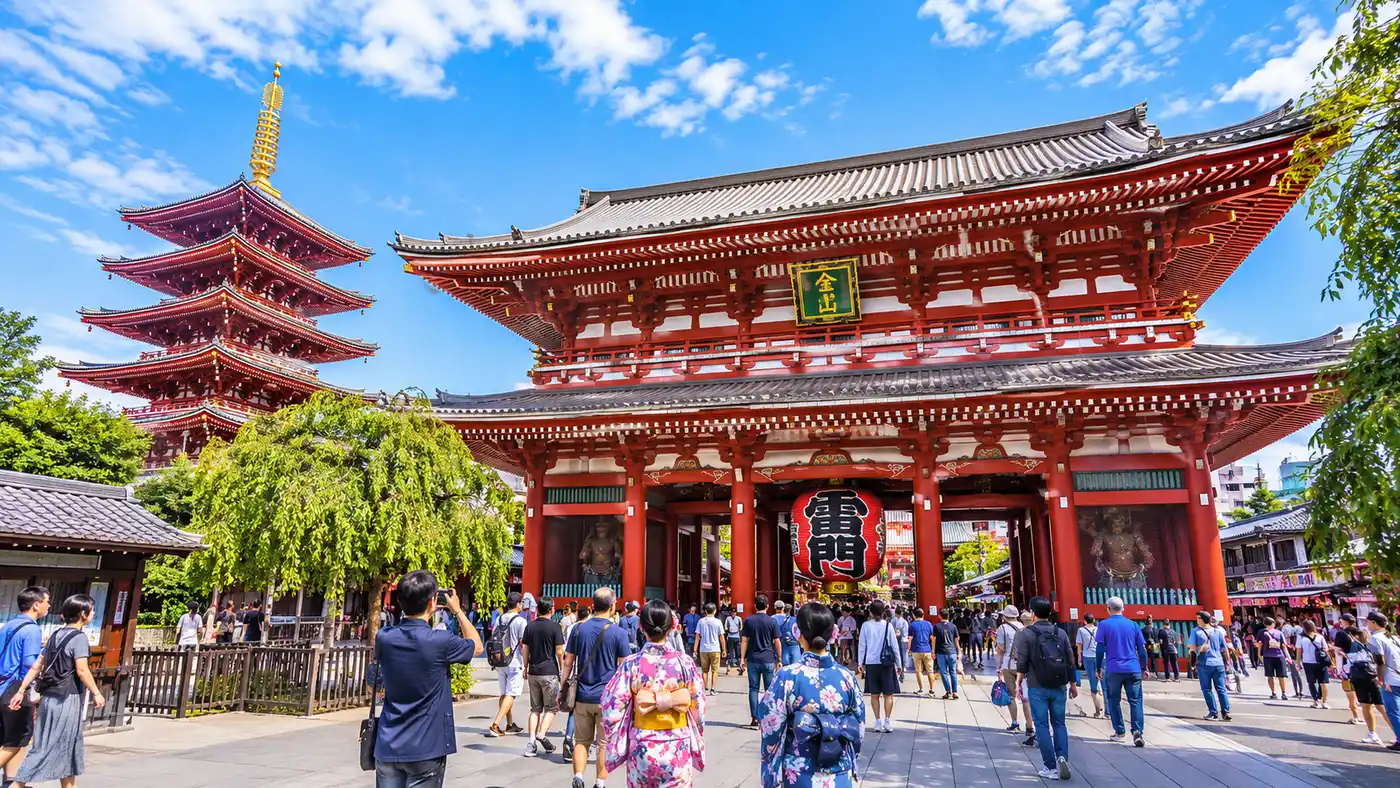
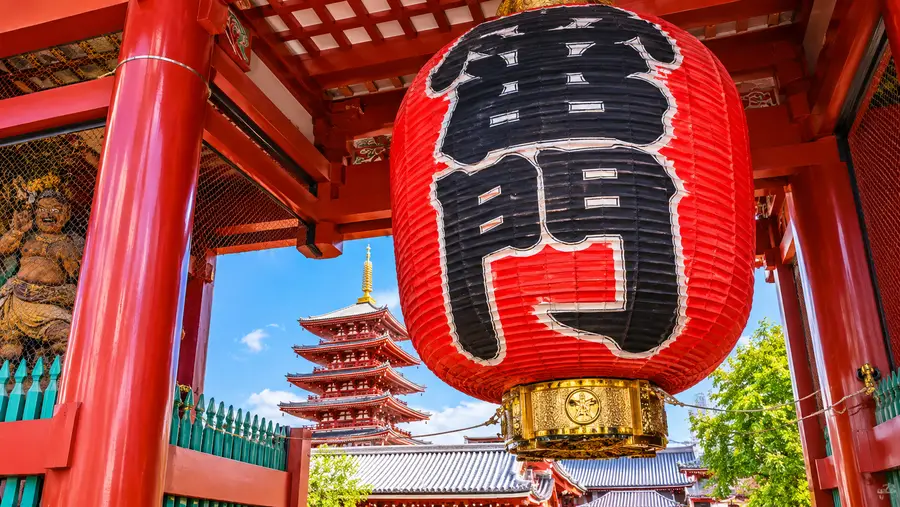
You step off the train, follow the scent of incense and toasted rice crackers, and within five minutes you find yourself standing before the massive Kaminarimon Gate. Whether you are landing at Haneda, riding in from Tokyo Station, or crossing town from western Tokyo, here is everything you need to navigate the rails, pick the right station exits, and pin down the exact location without getting lost in underground tunnels.
Book your sensoji temple tokyo experience:
Sensoji Temple Tokyo Location, Address, and Coordinates
Sensoji sits in Taito Ward, a historic district on the northeast edge of central Tokyo. The temple grounds are open to the neighborhood around the clock, woven directly into the daily life of Asakusa rather than walled off behind a quiet forest. Houses, noodle bars, and souvenir stalls bump right up against the temple boundary.
If you are typing it into GPS, the official sensoji temple address tokyo travelers use is 2-3-1 Asakusa, Taito City, Tokyo 111-0032. Typing the name in English into Google Maps or Apple Maps works nine times out of ten. If your offline navigation app requires raw data, the tokyo sensoji temple coordinates point to 35.7148° N, 139.7967° E. Entering this sensoji temple tokyo longitude and latitude will bring you directly to the center courtyard right between the Hondo (Main Hall) and the five-story pagoda.
Need a physical paper guide? Cross the street from Kaminarimon Gate and walk into the Asakusa Culture Tourist Information Center. Designed by architect Kengo Kuma, this eight-story wooden and glass building serves as the premier sensoji temple tourist center in tokyo. The multilingual staff hand out free walking maps, answer transit questions, and point you toward luggage storage. Ride the elevator to the eighth floor. The open observation deck up there gives you a bird's-eye view looking straight down over the gate, the stalls of Nakamise shopping street, and the main hall roofs.
Pro tip: The 8th-floor observation deck at the Asakusa tourist center is free to enter, stays open until 10:00 PM, and has clean restrooms that rarely have the massive lines you find inside the station.
Subway Lines and the Best Station Exits
Four separate train lines serve Asakusa Station, and each line has its own platforms. This confuses people because they assume "Asakusa Station" is one single building. It isn't. The underground stops connect via passages, but your exit choice matters if you want to avoid dragging bags up narrow stairways.
The Tokyo Metro Ginza Line is the easiest option for most travelers coming from southern or central Tokyo. It terminates at Asakusa, meaning you cannot miss your stop. Follow the overhead signs toward Exit 1 or Exit 3. Exit 1 drops you onto the sidewalk just 150 meters south of Kaminarimon Gate. Walk straight ahead for roughly two minutes and you run straight into the giant red lantern.
The Toei Asakusa Line runs through from Shinagawa, Ginza, and directly connects to both Haneda and Narita airports via through-service trains. If you take this line, aim for Exit A4. Be warned: Exit A4 only has stairs. If you have heavy luggage or a stroller, aim for Exit A2-b instead, which features an elevator to street level. From either exit, it takes about five minutes on foot to reach the front entrance.
- Tokyo Metro Ginza Line: Use Exit 1 for the shortest walk to Kaminarimon; Exit 3 has elevator access to street level.
- Toei Asakusa Line: Use Exit A4 for a 5-minute walk, or Exit A2-b if you need an elevator to bypass stairs.
- Tobu Skytree Line: Head down to the ground floor of the Matsuya department store and walk three minutes west.
- Tsukuba Express: Use Exit A1; this station sits about 400 meters west of the main hall, closer to the western pagoda side.
Note: Underground transfers between the Toei Line and the Ginza Line inside Asakusa Station require walking through long, somewhat dingy underground corridors. It is often faster to exit to street level and cross above ground.
How to Get to Sensoji Temple Tokyo from Major City Hubs
Most trips across Tokyo involve simple subway hops, but the best route depends entirely on where your hotel sits. A Suica, Pasmo, or mobile IC card makes these journeys seamless. Just tap through the ticket gates.
From Tokyo Station, you have two sensible routes. You can take the JR Yamanote Line two stops north to Kanda Station, then switch to the Tokyo Metro Ginza Line directly to Asakusa. The transfer at Kanda takes two minutes. Alternatively, walk 400 meters underground from Tokyo Station to Otemachi Station and catch the Toei Mita Line to Jimbocho, switching to the Shinjuku Line and Ginza Line, though honestly, switching at Kanda is vastly simpler.
From Shinjuku, board the JR Chuo Line Rapid (the orange train) to Kanda Station, then transfer to the Ginza Line. The whole ride takes roughly 25 minutes and costs 350 yen. Another option is the Toei Shinjuku Line to Bakuro-yokoyama, walking through the underground passage to Higashi-nihombashi, and boarding the Toei Asakusa Line north. That transfer requires a bit of subterranean hiking, so stick to Kanda if you prefer convenience.
From Shibuya, the route could not be more straightforward. Shibuya is the southern terminus of the Tokyo Metro Ginza Line. Walk to the subway platform, board the yellow Ginza Line train, and stay seated for approximately 33 minutes until the train reaches the very last stop at Asakusa. It costs 250 yen and requires zero transfers.
| Origin Hub | Recommended Route | Average Time | Approximate Fare |
|---|---|---|---|
| Tokyo Station | JR Yamanote to Kanda, transfer to Ginza Line | 18 minutes | ¥320 |
| Shinjuku Station | JR Chuo Line Rapid to Kanda, transfer to Ginza Line | 26 minutes | ¥360 |
| Shibuya Station | Tokyo Metro Ginza Line direct (no transfers) | 33 minutes | ¥250 |
| Ueno Station | Tokyo Metro Ginza Line direct (3 stops) | 6 minutes | ¥180 |
| Haneda Airport | Keikyu Airport Line (direct through-service on Toei Asakusa Line) | 37 minutes | ¥570 |
If you find yourself opening up a map sensoji temple tokyo transit app on your phone, remember that private railway lines (like Tobu or Keikyu) and city subways (Tokyo Metro and Toei) use separate ticketing gates unless you use an IC card. Tapping your phone screen on the reader saves you from deciphering the pricing wall charts at every transfer point.
Book your sensoji temple tokyo experience:
Connecting Sensoji with Other Major Tokyo Sights
Travelers often build day trips pairing traditional Asakusa with landmarks on the opposite side of town. Doing this efficiently requires smart route choices, because Tokyo's sprawl will eat up your morning if you bounce back and forth randomly.
A frequent route travelers tackle is connecting Tokyo Tower and Sensoji. So, how far is tokyo tower from sensoji temple? As the crow flies, they sit about 9 kilometers apart. If you look at how to get to tokyo tower from sensoji temple, the cleanest way is the Toei Asakusa Line. Board the train at Asakusa heading south toward Oshiage/Nishi-magome, ride nine stops to Daimon Station, and leave via Exit A6. From Daimon, Tokyo Tower stands roughly 12 minutes away on foot up a gentle slope past Zojoji Temple. The whole trip from tokyo tower to sensoji temple takes about 28 minutes on the train, costing 220 yen.
Pairing meiji shrine and sensoji temple tokyo in one single day gives you an incredible contrast between Shinto forest seclusion and bustling Buddhist city pageantry. Start early at Meiji Jingu in Harajuku. When you finish walking through the forested gravel paths, walk over to Meiji-jingumae Station and catch the Tokyo Metro Chiyoda Line to Omote-sando. Cross the platform at Omote-sando to the Ginza Line, which runs directly east to Asakusa. You will travel from the tranquil cedar trees of Harajuku into the smoky incense cauldron of Asakusa in roughly 38 minutes.
Heading from the tokyo national museum to sensoji temple is even simpler because both reside on the city's northeast side. The museum sits inside Ueno Park. You can walk 10 minutes south through the park gardens to Ueno Station, hop on the Ginza Line, and arrive in Asakusa just six minutes later. If the weather is mild, skip the train entirely. The walk from the museum doors down Asakusa-dori straight to Kaminarimon takes about 25 minutes, taking you past quiet neighborhood Buddhist supply stores selling hand-carved home altars and brass bells.
After exploring the grounds, many travelers choose to cross the Sumida River toward Sumida Ward. Our guide on getting to Tokyo Skytree explains the 20-minute walking route across the pedestrian bridge.
Alternative Transit: Water Buses, Walking, and Rickshaws
Subways are the fastest method, but they keep you underground. If you have time to spare, approaching Asakusa from the water gives you a completely different perspective on the city.
The Tokyo Water Bus (operated by Tokyo Cruise) docks at Asakusa Pier, located along the Sumida River just two blocks east of Kaminarimon. You can catch the futuristic, panoramic riverboats named Himiko or Hotaluna - designed by anime icon Leiji Matsumoto - directly from Odaiba Marine Park or the historic Hama-rikyu Gardens. Gliding under twelve different bridges along the river while watching the historic waterfront transition into modern high-rises makes for an exceptional afternoon arrival. The pier is a three-minute stroll from the temple gate.
Once you exit any transit hub near the river, traditional rickshaw pullers in split-toe tabi boots will greet you. They cluster outside Kaminarimon and around the tourist center. A rickshaw ride is not a cheap subway substitute - prices typically start around 4,000 yen for a short 10-minute circuit - but the pullers are licensed guides who know the back alleys of Asakusa better than anyone. They can steer you down quiet side lanes behind the main temple hall that standard walking tours completely overlook.
- Tokyo Cruise Water Bus: Arrives at Asakusa Pier from Odaiba or Hama-rikyu Gardens; a scenic 40-to-60-minute ride.
- Traditional Rickshaw: Found at Kaminarimon Gate; great for short historic tours through back alleys, though pricey.
- Bicycle: Taito Ward operates cheap community rental bike depots near Asakusa Station, though you must park in designated stalls outside the temple perimeter.
Frequently Asked Questions about how to get to sensoji temple tokyo
What is the closest station to Sensoji Temple?
Asakusa Station is the closest stop. It is served by the Tokyo Metro Ginza Line, Toei Asakusa Line, and Tobu Skytree Line. The shortest walk is from Tokyo Metro Exit 1, which puts you less than three minutes from Kaminarimon Gate.
Can I use the JR Pass to get to Sensoji Temple?
JR trains do not run directly to Asakusa. With a Japan Rail Pass, ride the JR Yamanote or JR Chuo Line to Kanda Station or Ueno Station, then pay roughly 180 yen out-of-pocket for the short Tokyo Metro subway ride into Asakusa.
Is Sensoji Temple accessible for wheelchairs and strollers?
Yes. Arriving via subway, use Tokyo Metro Asakusa Station Exit 3 or Toei Asakusa Line Exit A2-b for street elevators. The main grounds are flat stone pavement, and an elevator is tucked on the western side of the main hall to access the worship hall.
How do I get to Sensoji directly from Narita or Haneda Airport?
From Haneda, take the Keikyu Airport Line running direct through-service on the Toei Asakusa Line (about 35 to 40 minutes). From Narita, board the Keisei Narita Skyaccess train, which runs directly onto the Toei Asakusa Line without needing a train transfer (roughly 55 minutes).
Quick Reference
- Closest Hub: Asakusa Station (Exit 1 for Ginza Line, Exit A4 for Toei Line)
- Address: 2-3-1 Asakusa, Taito City, Tokyo
- Transit Cost: ¥180 to ¥350 from most central Tokyo stations
- Operating Line Pick: Tokyo Metro Ginza Line direct from Shibuya or Ueno
Book your sensoji temple tokyo experience:
Before You Head Out
Do not stress too much over missing a specific train or taking the wrong exit corridor. Asakusa is a friendly, highly walkable district where even a wrong turn usually lands you in a quiet side street smelling of fresh melonpan or aged woodblock ink. Keep your IC card topped up with at least a thousand yen, aim for Kaminarimon Gate, and give yourself enough time to stroll slowly once the red lanterns come into view.
Read more about sensoji temple tokyo.