Best Things to Do in Asakusa Near Sensoji Temple
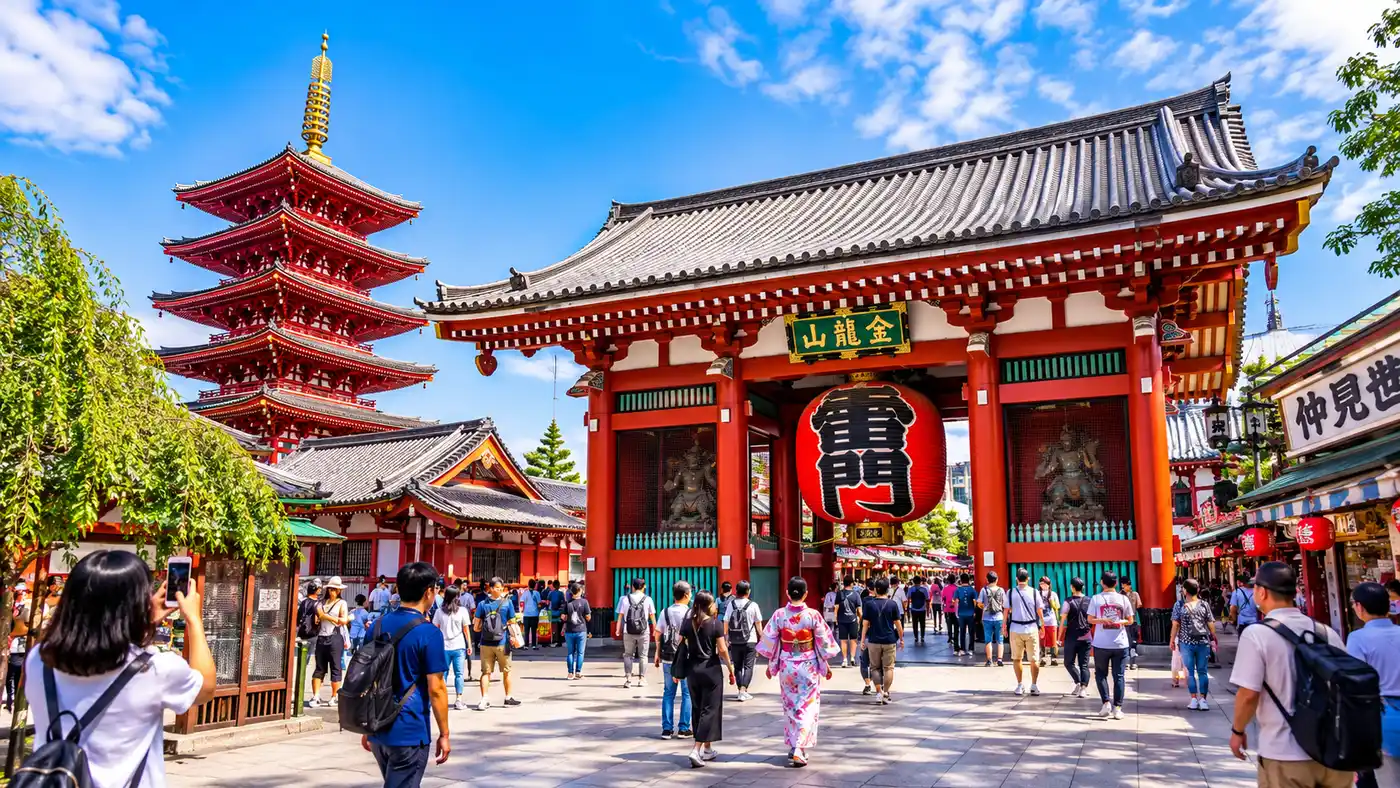
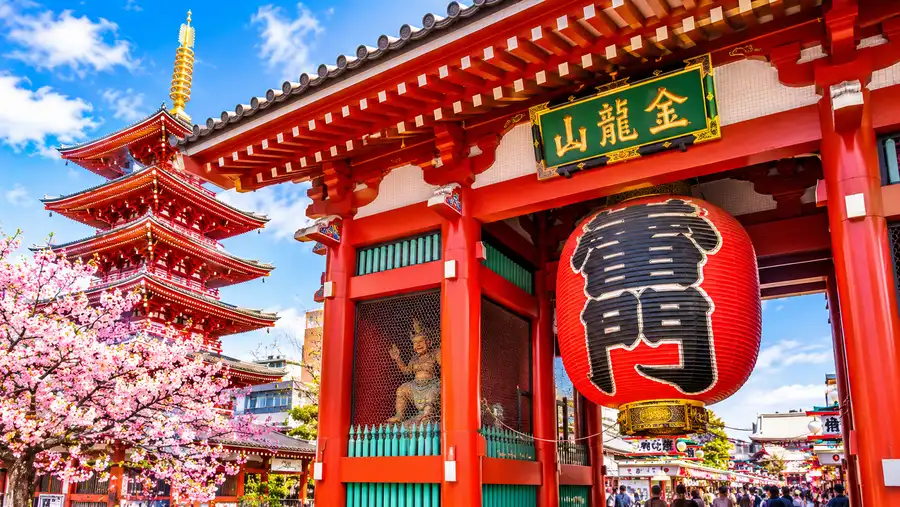
Most travelers step out of Asakusa Station, walk straight under the giant red lantern of Kaminarimon Gate, and stay glued to the main temple grounds until their feet ache. Sensoji is stunning, but stopping there means missing out on the neighborhood wrapped around it. Narrow alleys smell of roasted sesame oil and damp cedar. Old men sip cheap highballs in drafty izakayas while tourists stumble down stone streets trying to keep their wooden sandals straight. Exploring the side streets reveals some of the best things to do in asakusa, stretching far past the typical temple visit.
I lived near Taito ward for a few months and spent lazy Tuesdays wandering these alleys. Asakusa feels different from Shibuya or Shinjuku. It still carries the rhythm of old Edo, low-rise concrete mixed with pre-war wooden facades, odd retro amusement parks, and small riverside benches where you can nurse a cold canned tea. Whether you want to dress up, chase samurai lore, or just sit away from the biggest tour groups, here is where to spend your hours right around the temple walls.
Book your sensoji temple tokyo experience:
Ride an Asakusa Rickshaw Tour Through Quiet Alleys
Right near Kaminarimon, you will see young runners with split-toe tabi shoes standing beside glossy black two-wheeled carriages. They are persistent, polite, and impossible to overlook. Booking a rickshaw asakusa experience looks like an obvious tourist trap at first glance. Honestly, I avoided them for two trips because I felt silly being pulled around by another human being. Then my sister visited with bad blisters, and we hired one out of sheer desperation for a 30-minute loop. It was surprisingly wonderful.
The runners know every turn of the backstreets where tour buses cannot fit. Our runner, a college track athlete named Ken, steered us down Geisha district side streets, pointing out tiny wooden houses that survived the firebombing of 1945. They tell quick, vivid local stories you would never spot on Google Maps. Taking an asakusa rickshaw tour also offers a higher vantage point above street-level crowds, giving you clear photos of temple roofs without three dozen selfie sticks blocking the frame.
Pro tip: Skip the 10-minute sprint around the block. Book at least 30 minutes so your guide can escape the noisy souvenir strip and take you back into the quiet residential corners of Rokku or north towards Matsuchiyama Shoden.
If you prefer walking on your own two feet without spending 4,000 to 9,000 yen, look out for volunteer docents. You can occasionally catch a free tour asakusa staging from the Asakusa Culture Tourist Information Center across the street from Kaminarimon. Local volunteers lead small groups around the perimeter, narrating temple history for free simply to practice their English.
Dressing Up in an Asakusa Kimono or Summer Yukata
Walking around ancient stone gardens in sneakers is fine. Doing it in traditional dress feels entirely different. A few hundred shops in the radius around Sensoji offer rental gear, and it is a common sight to see people from all over the world walking gingerly along the flagstones. If the weather is warm between June and September, you will book a yukata asakusa package, made of breezy unlined cotton that lets the breeze through. During chillier months, the heavier silk asakusa kimono takes over, complete with multiple collar layers, warm inner wraps, and an intricately tied obi sash.
Finding a quality yukata rental asakusa shop is easy, but quality varies. The cheapest basements pack thirty people into a small room, rush your styling, and hand out stiff polyester robes with velcro closures. Better shops take around 35 minutes to fit you properly, tying every inner knot by hand and styling your hair with real kanzashi pins. Walk slowly once you leave the shop. The wooden geta sandals take some getting used to, especially if you have wide feet.
Note: Reserve your fitting for 9:00 AM. Kimono shops get hectic by midday, hair stylists fall behind schedule, and the most vibrant fabric patterns get claimed early by morning walk-ins.
Once you are dressed, head straight past the crowds toward Sumida Park asakusa. The park lines both banks of the river just two blocks east of Sensoji. It has long stone walkways shaded by cherry trees, with unobstructed views of the Tokyo Skytree soaring across the water. It is by far the prettiest spot for photos, and nobody is bumping into your elbows every three seconds.
Embrace Quirky Nostalgia at Asakusa Hanayashiki
Tucked behind the western edge of Sensoji is an amusement park that looks like it froze in the 1950s. Asakusa Hanayashiki first opened its doors in 1853 as a botanical garden, which makes it the oldest operating amusement park in Japan. Today it is a bizarre, compact cluster of miniature rides squeezed between residential apartments.
The space is so tight that the roller coaster tracks practically brush against the balconies of neighboring houses. That ride, the vintage steel roller coaster built back in 1953, only goes around 26 miles per hour, but the rattling creaks of the steel frame make it genuinely thrilling. You will also find an odd walk-through haunted house filled with mechanical Japanese ghosts, a slow-moving bee-themed monorail, and retro carnival games where you toss hoops to win cheap plastic toys.
A few practical details to know before jumping in line:
- Admission fee: 1,200 yen for adults, plus individual ride tickets at 100 yen each.
- Typical stay: around 90 minutes is plenty to ride the main attractions and grab a melon soda.
- Crowd level: surprisingly quiet on weekday afternoons, heavy with neighborhood families on Saturdays.
- Best ride: the vintage Roller Coaster for its sheer retro charm and clattering turns.
It is not Tokyo Disney. It does not try to be. Hanayashiki is weird, noisy, slightly worn down, and utterly charming. If you want a break from quiet temple contemplation, paying a few hundred yen to get swung around a vintage ride in the middle of a dense downtown block is money well spent.
Book your sensoji temple tokyo experience:
Samurai Legends and Ninja Experiences Near Sensoji
Asakusa has become the hotbed for interactive Edo-period history in central Tokyo. Just down the block from the temple gates sits the samurai ninja museum asakusa tokyo. It is an interactive museum where you can spend an hour looking at genuine antique blades, touching authentic iron kabuto helmets, and learning the brutal mechanics behind historic sword fighting. The guides do a great job explaining that ninja asakusa legends were often spies rather than masked martial artists flying across rooftops.
If you have kids or just want to throw metal spikes into wooden boards, you can test out shuriken throwing here. For something completely unhinged and fun, head toward the ninja cafe asakusa. The staff remain deep in character, greeting you with ninja hand seals and guiding you through basic sword choreography before handing you a hot curry designed to look like a throwing star.
They also run an affiliated ninja experience cafe asakusa in tokyo where visitors can wear full black shinobi outfits, crawl through mock secret passages, and blow darts through traditional bamboo pipes. Later in the evening, adults migrate toward a ninja bar asakusa or a themed ninja asakusa restaurant. While the food is mostly simple fried snacks and decorative desserts, drinking a cocktail served with dry-ice smoke in an underground lair is undeniably fun after a long day of walking.
| Activity | Approx. Cost | Duration | Vibe |
|---|---|---|---|
| Rickshaw Tour | 5,000 - 10,000 yen | 30 - 60 mins | Relaxed, informative, scenic |
| Hanayashiki Park | 1,200 - 2,500 yen | 1.5 - 2 hours | Retro, kitschy, nostalgic |
| Ninja Cafe & Museum | 3,000 - 6,500 yen | 60 - 90 mins | High energy, playful, family-friendly |
| Kimono Rental | 3,500 - 6,000 yen | Full day | Cultural, photogenic, slow-paced |
Eating Along the Alleys and Hoppy Street
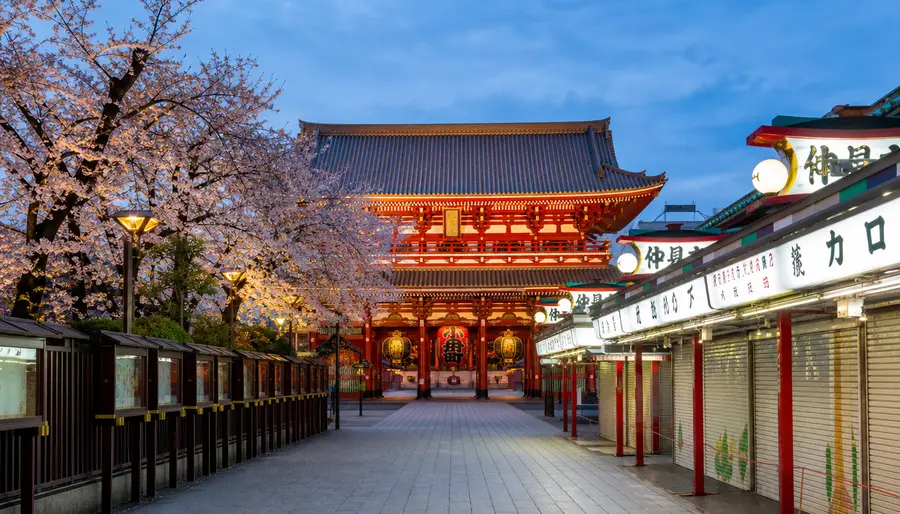
Nakamise-dori is famous for food, but it is not the only place to eat. When you finish trying the melonpan and sweet red-bean cakes on the central street, walk three minutes west over to Hoppy Street. This strip earned its name from Hoppy, an old-school malt beverage mixed with cheap shochu that gained popularity when real beer was an unaffordable luxury after the war.
The street is lined on both sides with open-front izakayas spilling out onto plastic milk crates and vinyl-covered outdoor tables. Every joint serves its own version of nikomi, a rich, slow-simmered stew of beef tendon, tripe, konjac, and daikon radish in dark miso broth. Bowls cost about 550 yen. Grab a stool, order a cold mug, and watch local gamblers study horse-racing newspapers between cigarette puffs. If you want a complete breakdown of classic temple-side bites, check out our Nakamise Shopping Street and Asakusa Street Food Guide before you go.
A few quick tips for enjoying the alley food scene without any hassle:
- Table charges: expect an otoshi (small seating appetizer charge) of 300 to 500 yen per person at most Hoppy Street spots.
- Cash rules: many of these open-air taverns still do not take credit cards or IC cards, so keep bills handy.
- Cross the bridge: when you fill up on stew, walk east across the Azuma Bridge toward the golden Asahi Flame to finish your evening.
From the bridge deck, you can stroll straight along the elevated river walk toward Tokyo's tallest tower. The walk only takes about twenty minutes, and our guide on how to get from Sensoji Temple to Tokyo Skytree explains the best scenic footpath to use.
Frequently Asked Questions about best things to do in asakusa
How much time should I spend in Asakusa?
Plan for roughly four to six hours. This gives you enough time to explore Sensoji Temple, wander through Nakamise, rent a yukata or ride a rickshaw, and linger over lunch or drinks along the side alleys without rushing.
Is Asakusa safe to walk around at night?
It is remarkably safe. The area around Sensoji quiets down after 7:00 PM, but the lantern-lit temple grounds are peaceful and open 24 hours. Hoppy Street stays lively with diners until around 11:00 PM.
Can I do ninja training and kimono rentals on the same day?
Yes, but do the kimono rental first in the morning for your photos around the temple and river. Return the outfit by 3:00 PM so you have full mobility for ninja blowguns and museum activities later in the afternoon.
Quick Reference
- Rickshaw tours: hire near Kaminarimon Gate
- Oldest amusement park: Asakusa Hanayashiki (opened 1853)
- Best photos: Sumida Park along the river bank
- Nightlife hub: Hoppy Street open-air izakayas
Book your sensoji temple tokyo experience:
My Take
Sensoji gets all the postcards, but the real heart of Asakusa sits in the messy, wonderful blocks surrounding the temple. Take the time to get pulled down a narrow side street on two wheels, drop a few hundred yen on a clattering roller coaster, or wear a cotton yukata by the riverbank. When you wander beyond the obvious red gate, you find an older Tokyo that refuses to fade away, and that is easily the best part of the trip.
Read more about sensoji temple tokyo.